

Glucagon-like peptide-1 (GLP-1) medications have transformed obesity treatment by helping many people achieve significant, sustained weight loss. As part of a comprehensive weight management plan, these medications can improve blood glucose management, reduce cardiovascular risk factors, and support better overall health.
However, successful weight loss is about more than the number on the scale. When you lose weight on a GLP-1 medication, your body loses both fat and muscle. While reducing excess body fat is a primary goal, it’s important to keep as much muscle as possible. Muscle helps support strength, mobility, balance, metabolism, and independence throughout life. Fortunately, you can preserve muscle while working toward your healthy weight goals — by prioritizing protein and strength training.
Why Muscle Mass Matters During Weight Loss
In addition to fat mass, your body composition includes several non-fat components:
- Bones
- Muscles
- Organs
- Water
Each component plays an important role in your health, but muscle deserves special attention during weight loss because it helps support:
- Balance and stability
- Blood glucose regulation
- Healthy aging
- Metabolic health
- Mobility and independence
- Strength and endurance
It’s normal to lose some non-fat mass when you lose weight. However, losing too much muscle may contribute to weaker bones, falls, and injuries. While GLP-1 medications can be highly effective for reducing body fat, it’s vital to avoid losing more muscle than necessary.
How to Protect Muscle While Losing Weight
The good news is there are simple, evidence-based ways to help preserve muscle while you lose weight. Experts recommend pairing GLP-1 medication treatment with nutritious eating, strength training, and lifestyle habits that support muscle preservation.
Protein for muscle preservation
Protein provides amino acids your body needs to build, repair, and maintain muscle tissue. While protein alone can’t completely prevent muscle loss, getting enough protein during weight loss can help you preserve more muscle. You can obtain protein from a variety of nutritious foods, including:
- Beans and lentils
- Dairy products
- Eggs
- Fish and seafood
- Lean meats
- Nuts and seeds
- Soy foods
Because GLP-1 medications often reduce appetite, you may eat less overall. This makes it even more important to include protein-rich foods in your regular meals and snacks. Protein needs vary based on age, physical activity level, medical conditions, and other health factors. Discuss your personal nutrition needs with your healthcare provider or a registered dietitian to ensure you’re eating the right foods for your body.

Strength training to protect muscle
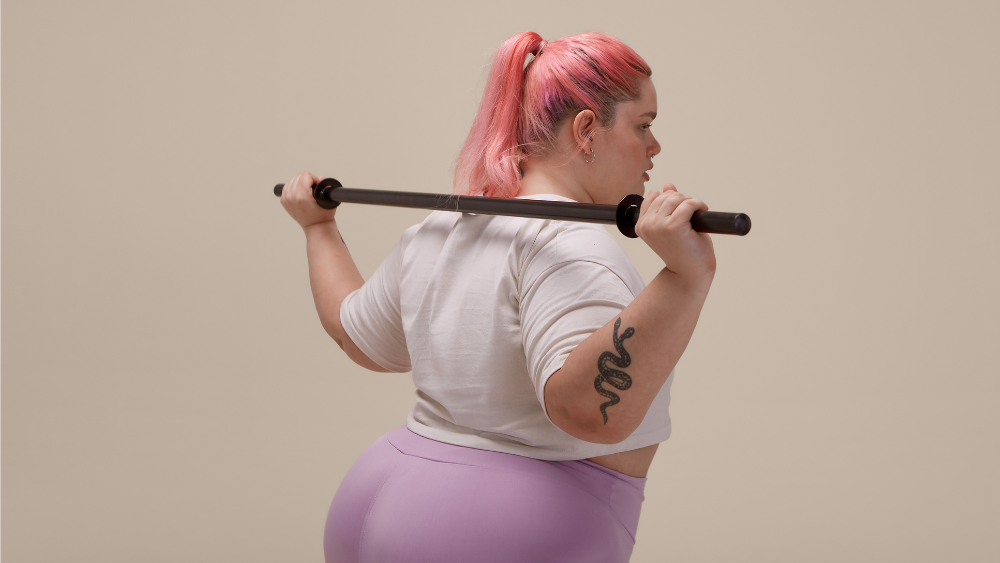
Among all forms of exercise, resistance training is one of the most effective ways to preserve muscle during weight loss. It includes any exercises that make your muscles work against a weight or opposing force.
Strength training puts controlled stress on muscles, helping stimulate muscle maintenance and repair. When paired with protein intake, resistance exercise helps offset some of the muscle mass most people lose when they take GLP-1 medication.
Resistance exercise doesn’t require a gym membership, although weight machines and strength training classes are great options. Other effective ways to build strength at home include:
- Body-weight exercises such as squats, lunges, push-ups, and wall sits
- Free weights
- Resistance bands
In addition to supporting muscle preservation, regular strength training improves your balance, bone health, joint stability, and posture — all of which help you live healthier, longer. Before beginning any exercise, consult your healthcare provider.
Consistency is key — make it part of your lifestyle
The best exercise program is one you can do consistently. For many adults, two or three strength-training sessions each week help support muscle health.
Short on time? You can also incorporate more muscle-strengthening activities into your daily routine. Carrying groceries or laundry, doing yardwork, and choosing the stairs instead of the elevator all help keep your muscles working between strength training sessions.
Focusing on how you feel and what your body can do — not just on how much you weigh — can help reinforce healthy, sustainable habits over the long term.
Muscle Preservation Supports Everyday Function
Monitor More Than the Scale
The scale can’t tell the difference between fat loss and muscle loss. It’s important to look beyond body weight when evaluating your progress.
Consider other meaningful signs of improved health, such as:
- Better blood glucose management
- Enhanced quality of life
- Healthier blood pressure
- Improved ability to perform daily activities
- Increased strength, mobility, and balance
- More energy throughout the day
Focusing on how you feel and what your body can do — not just on how much you weigh — can help reinforce healthy, sustainable habits over the long term.
Questions to Ask Your Healthcare Team About GLP-1s and Muscle Health
Because everyone’s health needs are different, your healthcare team can help tailor diet and exercise recommendations based on your age, medical history, and treatment goals.
As you begin or continue GLP-1 treatment, consider asking your provider:
- Am I getting the right amount of protein to support my health?
- How can we monitor my muscle health during treatment?
- How much exercise should I get each week?
- Should I meet with a registered dietitian or another specialist to support my goals?
- What types of strength training exercises are appropriate for me?
These conversations can help you develop a safe, individualized plan that supports healthy weight loss while maintaining strength and overall wellness.